The themes running through my work in conservation technology and field ecology.
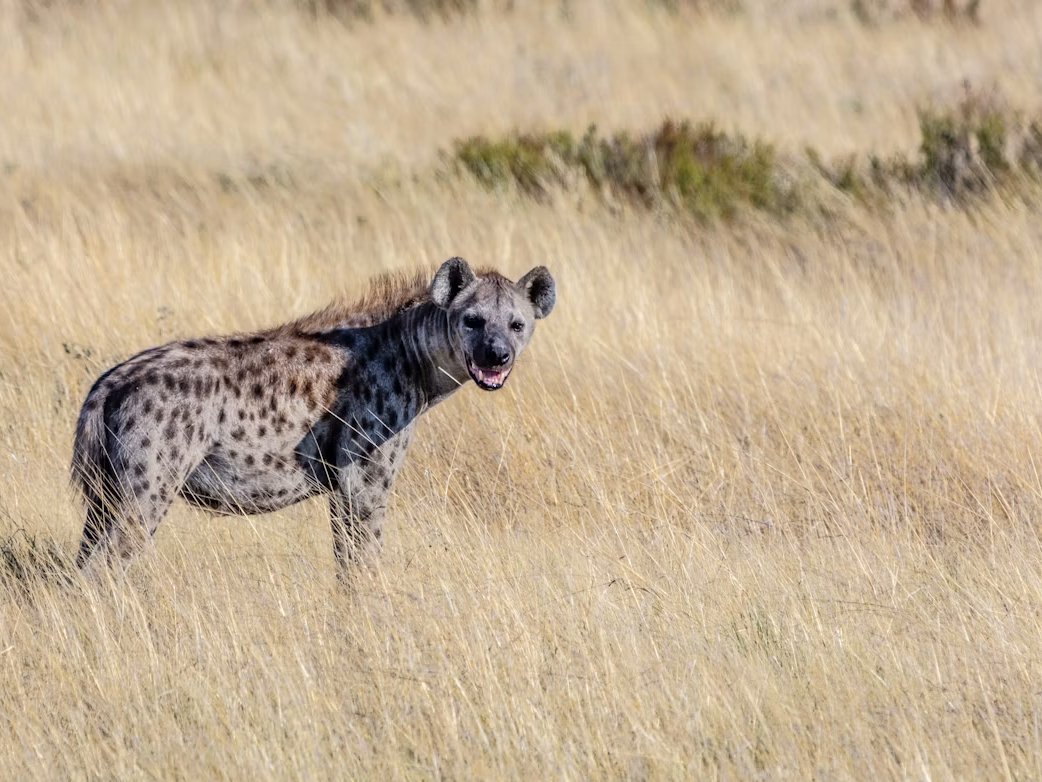
Passive acoustic monitoring of wildlife, from horseshoe bats to large carnivores, and low-cost networked sensors that bring sound data in from the field.
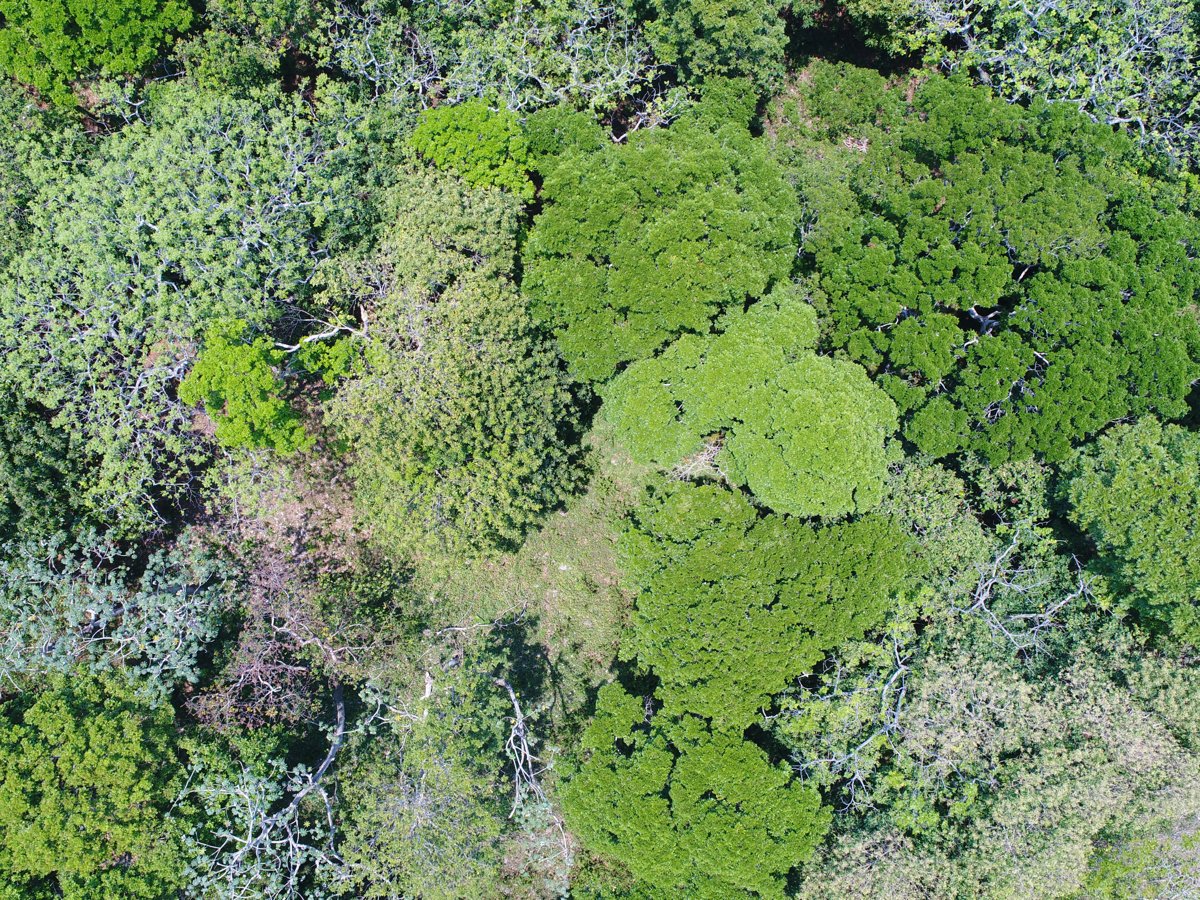
Satellite, drone and laser-scanning data for mapping habitats and land-use change, and understanding how error in these maps affects conservation decisions.
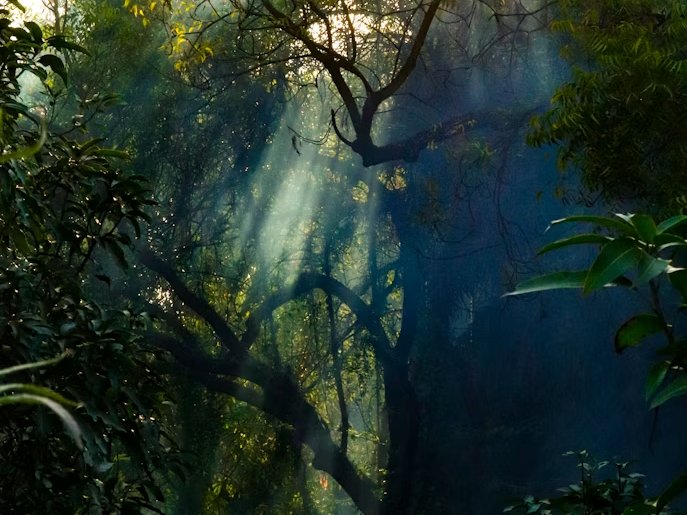
How vegetation structure shapes the fine-scale climates animals actually live in, measured with sensor networks and 3D forest scans.
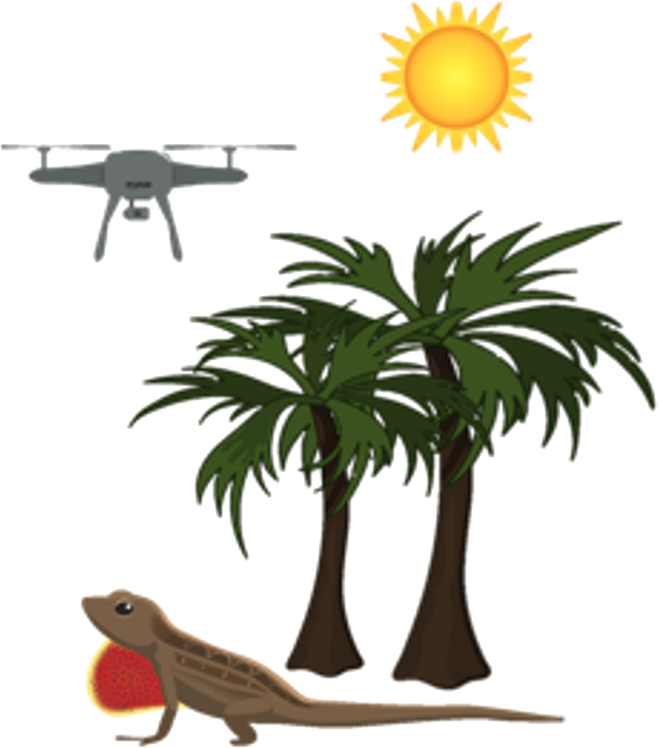
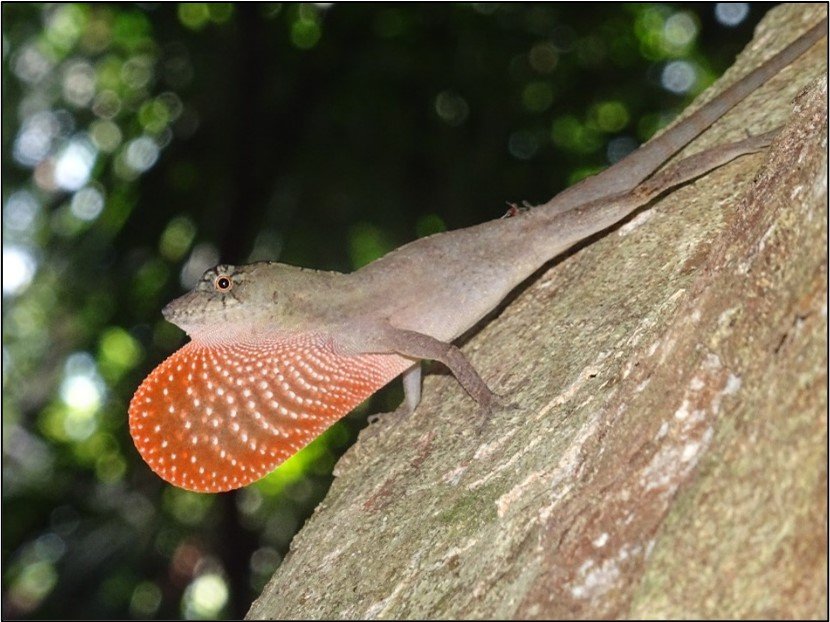
Operative temperature, thermal preference and thermal habitat for tropical reptiles, and how warming changes the habitat available to them.
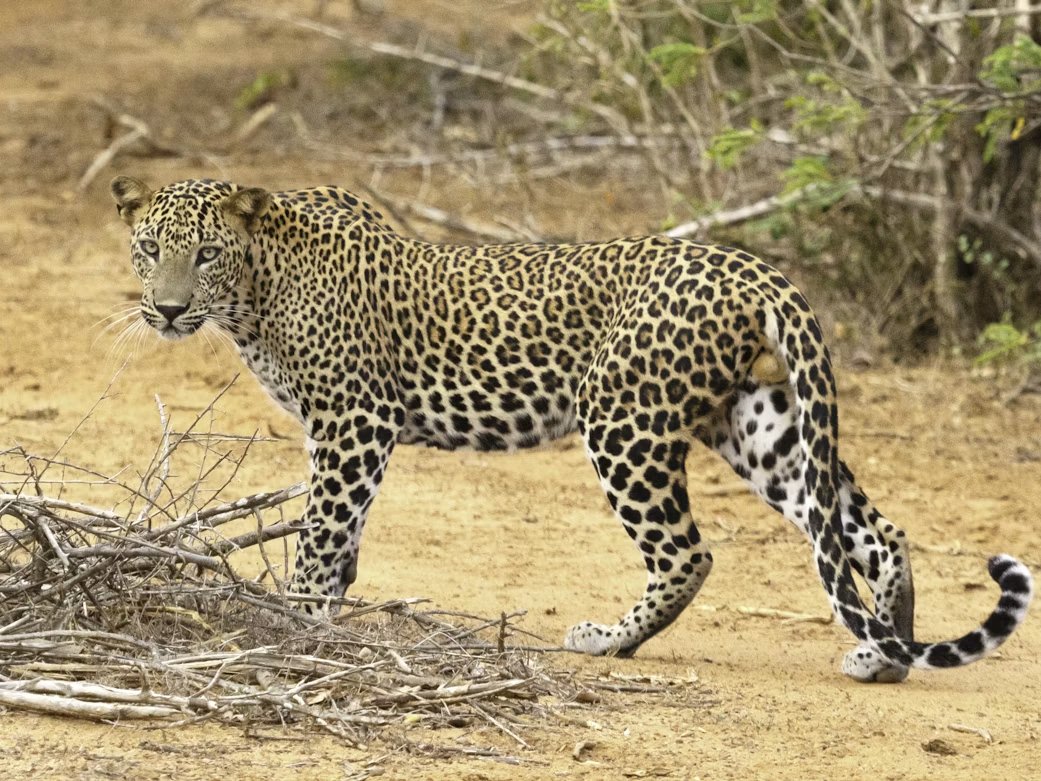
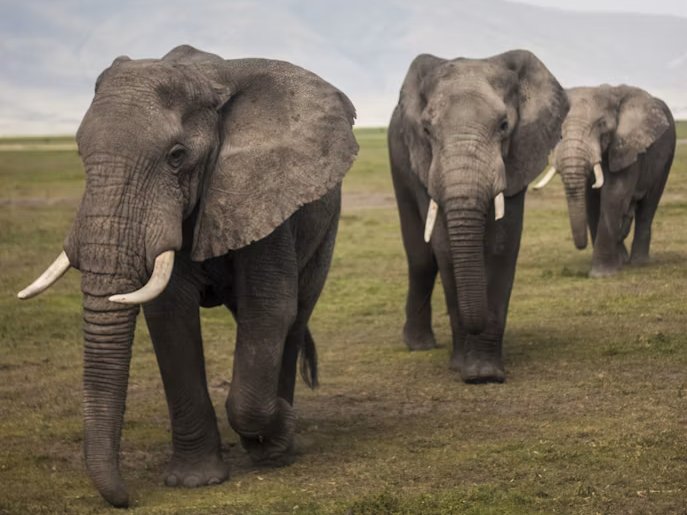
GPS tracking and step-selection models to understand how large mammals such as elephants and carnivores use space.
Machine learning that links remote sensing and sensor data to field measurements, to predict species, habitats and conditions across whole landscapes.
Automated detection, species classification and individual identification from camera-trap images.
How conservation data and technology can be misused, and how protected areas can reduce those risks.